

Soho may be known for its bright lights and buzzing streets, but its true character lies in its history. From legendary music venues to centuries-old churches, Soho’s buildings tell the story of a neighbourhood shaped by creativity, culture and community.
Here are some of its most famous and historic landmarks – the landmarks that helped shape London’s most creative neighbourhood.
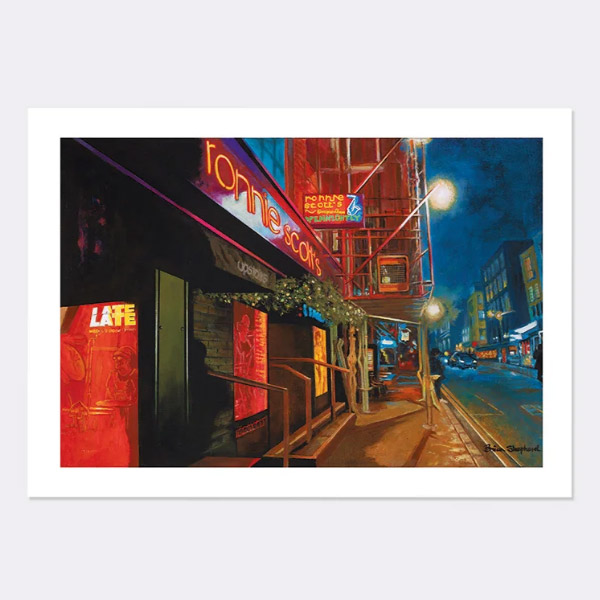
Ronnie Scott’s Jazz Club (1959)
Opened in 1959 on Frith Street, Ronnie Scott’s quickly became one of the world’s most respected jazz clubs. Founded by saxophonist Ronnie Scott, it has welcomed legends including Miles Davis, Ella Fitzgerald and Nina Simone.
Despite its global reputation, the venue remains intimate. A place where audiences sit just feet from the stage. Ronnie Scott’s captures Soho’s love of live performance and late-night culture, and continues to be a cornerstone of London’s music scene.
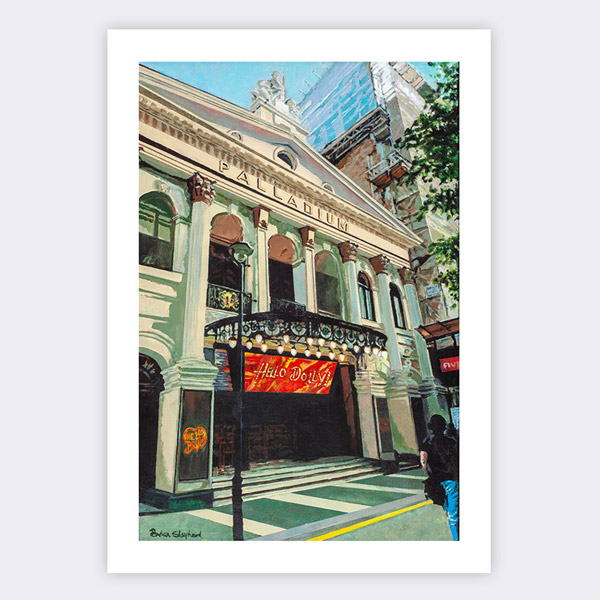
The London Palladium (1910)
Standing on Argyll Street since 1910, The London Palladium is one of London’s most celebrated theatres. Over the decades it has hosted Royal Variety Performances, major musical productions and global stars from Judy Garland to modern West End casts. Its grand façade and illuminated signage reflect Soho’s long-standing connection to entertainment and spectacle, and is a reminder that this area has always been a stage.
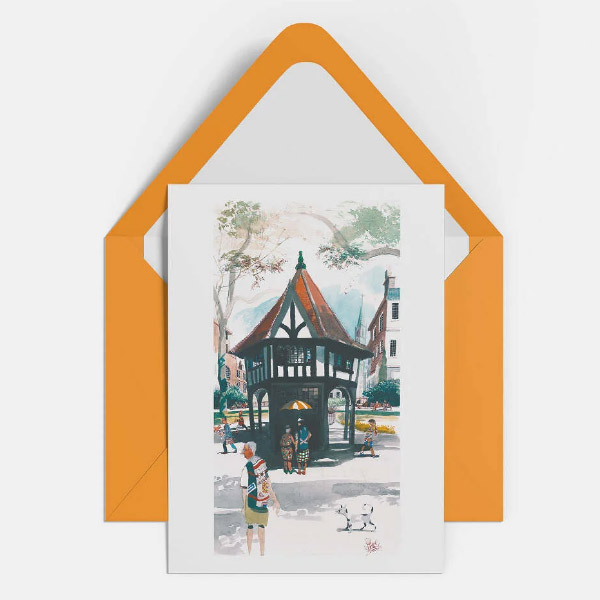
Soho Square Hut (1876)
At the centre of Soho Square sits a charming mock-Tudor hut built in 1876. Originally designed to store gardening tools, Soho Square Hut has become one of the neighbourhood’s most photographed curiosities.
The square itself dates back to the 1680s and offers a quiet pause from the surrounding streets. Small but distinctive, the hut is a perfect example of Soho’s unexpected character.
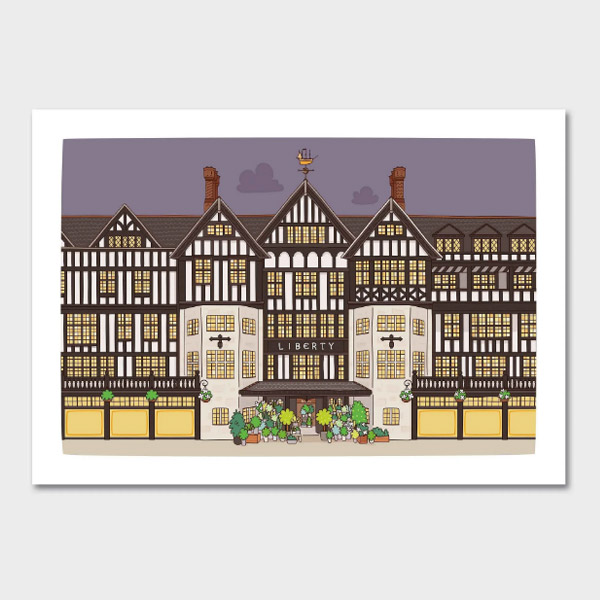
Liberty London (1924)
Just on the edge of Soho, Liberty’s striking Tudor-revival building was completed in 1924 using timbers from two historic ships. Known for its luxury fabrics and iconic prints, Liberty has played a major role in British design and fashion.
Its wooden beams and historic interior make it feel worlds away from modern retail. It’s a celebration of craftsmanship that fits naturally into Soho’s creative heritage.
St Patrick’s Church (1792)
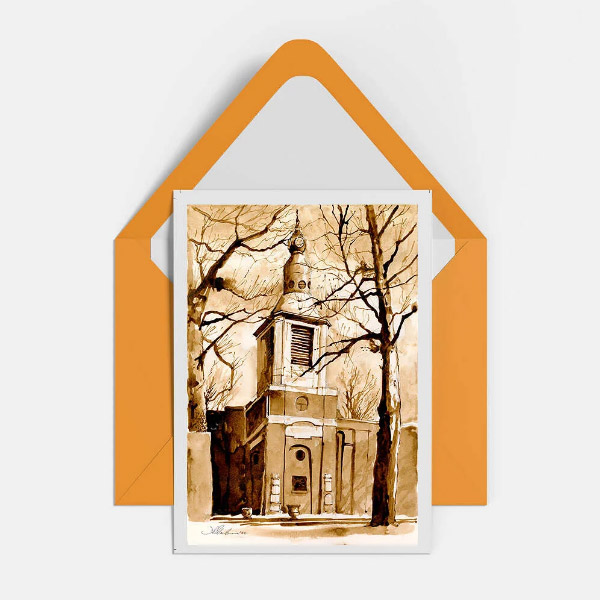
Founded in 1792 near Soho Square, St Patrick’s Church became an important centre for London’s Irish community. Though damaged during the Second World War, it remains an active place of worship and cultural significance. Its presence highlights the diverse communities that have shaped Soho over the centuries.
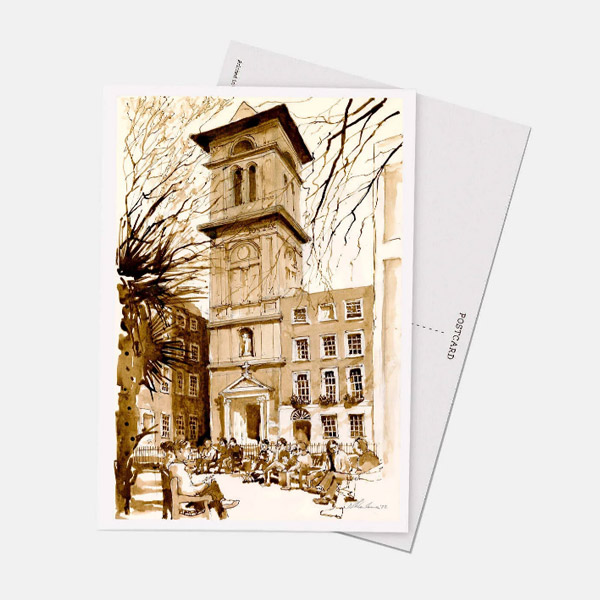
St Anne’s Church (1686)
Completed in 1686 and designed by Sir Christopher Wren, St Anne’s Church is one of Soho’s oldest landmarks. Rebuilt after heavy bomb damage during the Blitz, it stands today as a symbol of resilience amid the energy of nearby Shaftesbury Avenue. Its peaceful churchyard offers a rare moment of calm in the heart of the West End.
Historical architecture is the backbone of Soho
What makes Soho truly special isn’t just its nightlife or shopping, it’s the centuries of history woven into every street and building. From world-famous jazz performances and grand theatrical premieres to resilient churches and charming architectural details, these landmarks tell the story of a neighbourhood that has always embraced creativity, diversity and reinvention. Soho’s past isn’t tucked away in museums; it lives on in its buildings, shaping the character and energy that define it today.